
### The Reclaimed Wood Advantage
Most lighting manufacturers use new wood because it's easier to work with. Consistent grain, predictable behavior, no surprises. But reclaimed wood tells a story. The pieces I use come from old boat docks, weathered fence posts, and demolished piers along the Florida coast.
This wood has already survived years of sun, salt, and weather. It won't warp or crack when exposed to the humidity of a busy restaurant kitchen or the temperature changes near outdoor seating. Clients tell me their chandeliers look better after five years than they did on installation day.
## How We Build Ocean-Inspired Statement Pieces
Creating a manta ray chandelier isn't about following a template. I start by studying how real mantas move underwater, watching videos of them gliding through coral reefs with their distinctive wing-like fins. Then I sketch the basic form, but the real design happens when I'm standing at the workbench with the wood in front of me.
Each piece of reclaimed wood dictates its own direction. A natural curve becomes the leading edge of a wing. A darker grain line emphasizes the body structure. I carve with the wood, not against it, which is why no two chandeliers look identical.
### Marine-Grade Construction Standards
Here's something most decorative lighting companies won't tell you: their fixtures aren't built for the real conditions inside restaurants and hotels. Steam from commercial kitchens, salt air from open windows, grease particles that float through dining rooms. Standard lighting fails within months.
We seal every chandelier with marine-grade finishes developed for boat building. The same products that protect yacht decks from saltwater protect our manta rays from whatever your space throws at them. I learned this the hard way after an early piece developed water spots in a beachfront hotel. Never again.
## Real-World Performance: The Vampire Penguin Case Study
When Vampire Penguin opened their Ellenton Florida location, they needed lighting that matched their fun, distinctive brand while fitting their ocean-adjacent vibe. The ceiling height was challenging: too low for massive fixtures, too high for standard pendants.
We created a manta ray chandelier sized specifically for their space. The owner told me it became their most photographed feature. Customers post it on Instagram constantly, and several have asked where they can buy one for their homes. That's the difference between decorative lighting and statement pieces that drive brand recognition.
## Installation Considerations for Commercial Spaces
Designers often ask me about weight and mounting requirements. Our chandeliers are surprisingly light because we're carving solid wood, not casting heavy resin or metal. Most installations use standard junction boxes with proper support, though I always recommend consulting your electrician for specific load calculations.
The wingspan varies by model, but I can scale any design to fit your ceiling height and room proportions. I've built manta rays for intimate wine bars with eight-foot ceilings and grand hotel lobbies with thirty-foot drops.
### Lighting Configuration Options
We wire each chandelier to your specifications. Some clients want warm Edison bulbs for romantic dinner ambiance. Others need bright LED arrays for functional restaurant lighting. I've even integrated remote-controlled dimming systems for spaces that shift from lunch service to evening cocktails.
The key is planning before we start carving. Changing electrical configurations after the piece is assembled means partial disassembly, which I'd rather avoid.
## Why Handcrafted Beats Mass Production
I could outsource production to a factory and sell ten times as many chandeliers. But I've seen what happens to "handcrafted" pieces made in production facilities. They lose the details that make them special. The grain patterns don't flow naturally. The proportions feel off because nobody's adjusting for the specific piece of wood.
When you commission one of our manta ray chandeliers, I'm the person who selects your wood, carves your piece, and tests your lighting before it ships. If something doesn't meet my standards, it doesn't leave the workshop.
## Creating Memorable Guest Experiences
The best compliment I receive isn't about craftsmanship or design. It's when a restaurant owner tells me their hostess spends half her shift explaining the chandelier to guests. Or when a hotel manager says guests request rooms where they can see the manta ray from their window.
That's the real value of handcrafted statement lighting. It becomes part of your brand story, not just overhead illumination.
If you're designing a space that deserves better than catalog lighting, let's talk about creating a wooden manta ray chandelier that guests will remember. Reach out directly at contact@handycor.store and we'll discuss your project specifics.
manta ray chandelier wooden handcrafted
Discover how our handcrafted wooden manta ray chandeliers transform coastal restaurants and hotels into unforgettable ocean-inspired spaces. Made from reclaimed wood with marine-grade craftsmanship.
# Manta Ray Chandelier: Wooden Handcrafted Ocean Lighting
I still remember the day a hotel designer from Tampa called me, frustrated. She had toured dozens of lighting showrooms, scrolled through hundreds of catalog pages, and found nothing but generic coastal fixtures that looked like they came from the same factory in China. "I need something that makes guests stop and look up," she said. "Something that feels like the ocean without being cheesy."
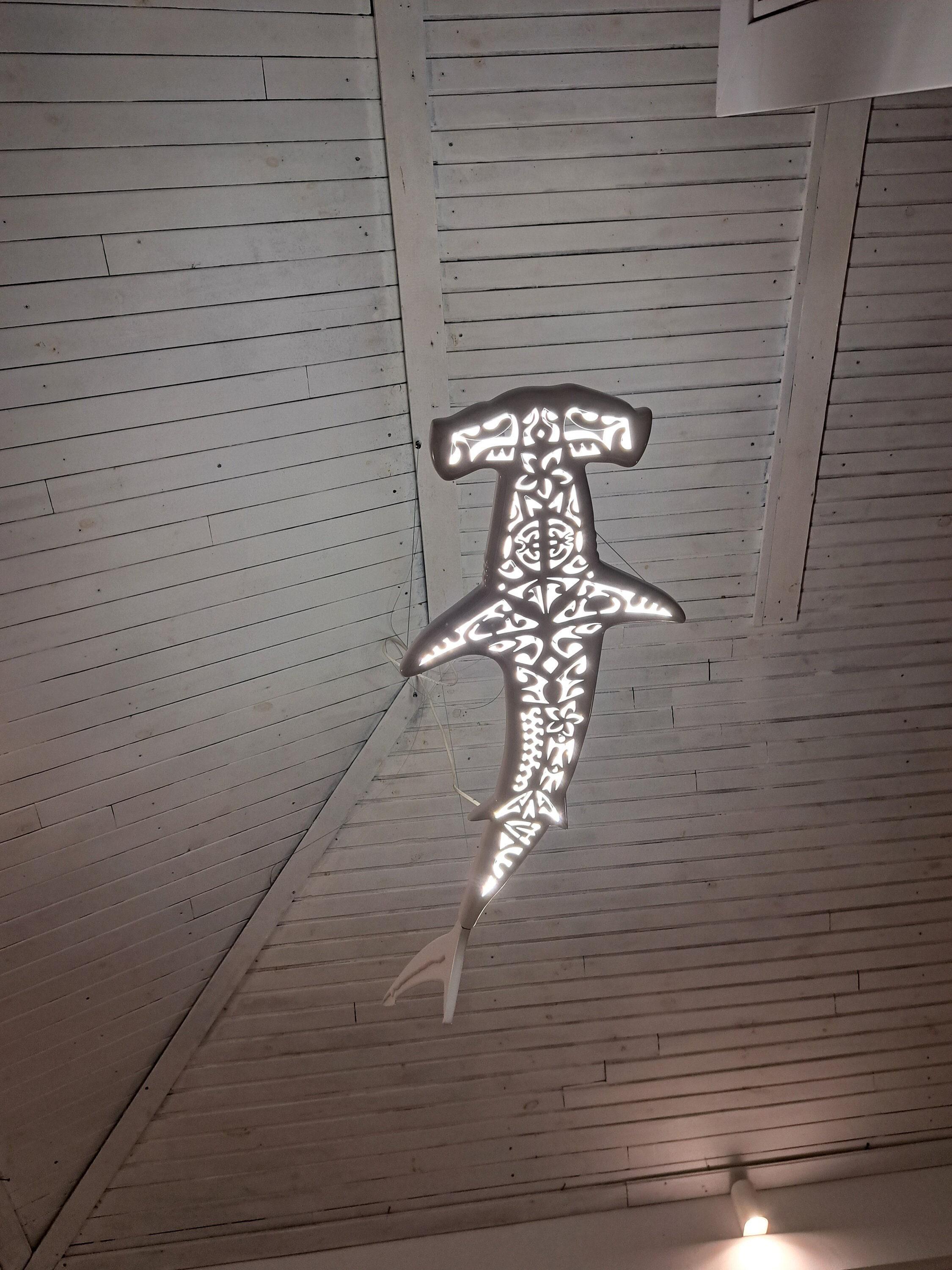
That conversation led to our first manta ray chandelier. Not a resin casting. Not a mass-produced metal piece painted to look like wood. A genuine handcrafted sculpture carved from reclaimed wood that moves with the air currents like a real manta gliding through water.
## Why Designers Choose Wooden Manta Ray Lighting
The hospitality industry has a problem with ocean-themed decor. Walk into most coastal restaurants and you'll see the same rope-wrapped columns, the same anchor prints, the same blue-and-white palette that screams "I bought this from a maritime decor catalog." Guests notice. They take photos of truly unique pieces, not catalog furniture.
Our manta ray chandeliers solve this problem because each one starts as reclaimed wood with its own grain pattern, color variations, and character. When I'm selecting wood for a new piece, I look for boards that already have movement in the grain. Manta rays are fluid creatures, and the wood needs to reflect that.
### The Reclaimed Wood Advantage
Most lighting manufacturers use new wood because it's easier to work with. Consistent grain, predictable behavior, no surprises. But reclaimed wood tells a story. The pieces I use come from old boat docks, weathered fence posts, and demolished piers along the Florida coast.
This wood has already survived years of sun, salt, and weather. It won't warp or crack when exposed to the humidity of a busy restaurant kitchen or the temperature changes near outdoor seating. Clients tell me their chandeliers look better after five years than they did on installation day.
## How We Build Ocean-Inspired Statement Pieces
Creating a manta ray chandelier isn't about following a template. I start by studying how real mantas move underwater, watching videos of them gliding through coral reefs with their distinctive wing-like fins. Then I sketch the basic form, but the real design happens when I'm standing at the workbench with the wood in front of me.
Each piece of reclaimed wood dictates its own direction. A natural curve becomes the leading edge of a wing. A darker grain line emphasizes the body structure. I carve with the wood, not against it, which is why no two chandeliers look identical.
### Marine-Grade Construction Standards
Here's something most decorative lighting companies won't tell you: their fixtures aren't built for the real conditions inside restaurants and hotels. Steam from commercial kitchens, salt air from open windows, grease particles that float through dining rooms. Standard lighting fails within months.
We seal every chandelier with marine-grade finishes developed for boat building. The same products that protect yacht decks from saltwater protect our manta rays from whatever your space throws at them. I learned this the hard way after an early piece developed water spots in a beachfront hotel. Never again.
## Real-World Performance: The Vampire Penguin Case Study
When Vampire Penguin opened their Ellenton Florida location, they needed lighting that matched their fun, distinctive brand while fitting their ocean-adjacent vibe. The ceiling height was challenging: too low for massive fixtures, too high for standard pendants.
We created a manta ray chandelier sized specifically for their space. The owner told me it became their most photographed feature. Customers post it on Instagram constantly, and several have asked where they can buy one for their homes. That's the difference between decorative lighting and statement pieces that drive brand recognition.
## Installation Considerations for Commercial Spaces
Designers often ask me about weight and mounting requirements. Our chandeliers are surprisingly light because we're carving solid wood, not casting heavy resin or metal. Most installations use standard junction boxes with proper support, though I always recommend consulting your electrician for specific load calculations.
The wingspan varies by model, but I can scale any design to fit your ceiling height and room proportions. I've built manta rays for intimate wine bars with eight-foot ceilings and grand hotel lobbies with thirty-foot drops.
### Lighting Configuration Options
We wire each chandelier to your specifications. Some clients want warm Edison bulbs for romantic dinner ambiance. Others need bright LED arrays for functional restaurant lighting. I've even integrated remote-controlled dimming systems for spaces that shift from lunch service to evening cocktails.
The key is planning before we start carving. Changing electrical configurations after the piece is assembled means partial disassembly, which I'd rather avoid.
## Why Handcrafted Beats Mass Production
I could outsource production to a factory and sell ten times as many chandeliers. But I've seen what happens to "handcrafted" pieces made in production facilities. They lose the details that make them special. The grain patterns don't flow naturally. The proportions feel off because nobody's adjusting for the specific piece of wood.
When you commission one of our manta ray chandeliers, I'm the person who selects your wood, carves your piece, and tests your lighting before it ships. If something doesn't meet my standards, it doesn't leave the workshop.
## Creating Memorable Guest Experiences
The best compliment I receive isn't about craftsmanship or design. It's when a restaurant owner tells me their hostess spends half her shift explaining the chandelier to guests. Or when a hotel manager says guests request rooms where they can see the manta ray from their window.
That's the real value of handcrafted statement lighting. It becomes part of your brand story, not just overhead illumination.
If you're designing a space that deserves better than catalog lighting, let's talk about creating a wooden manta ray chandelier that guests will remember. Reach out directly at contact@handycor.store and we'll discuss your project specifics.
### The Reclaimed Wood Advantage
Most lighting manufacturers use new wood because it's easier to work with. Consistent grain, predictable behavior, no surprises. But reclaimed wood tells a story. The pieces I use come from old boat docks, weathered fence posts, and demolished piers along the Florida coast.
This wood has already survived years of sun, salt, and weather. It won't warp or crack when exposed to the humidity of a busy restaurant kitchen or the temperature changes near outdoor seating. Clients tell me their chandeliers look better after five years than they did on installation day.
## How We Build Ocean-Inspired Statement Pieces
Creating a manta ray chandelier isn't about following a template. I start by studying how real mantas move underwater, watching videos of them gliding through coral reefs with their distinctive wing-like fins. Then I sketch the basic form, but the real design happens when I'm standing at the workbench with the wood in front of me.
Each piece of reclaimed wood dictates its own direction. A natural curve becomes the leading edge of a wing. A darker grain line emphasizes the body structure. I carve with the wood, not against it, which is why no two chandeliers look identical.
### Marine-Grade Construction Standards
Here's something most decorative lighting companies won't tell you: their fixtures aren't built for the real conditions inside restaurants and hotels. Steam from commercial kitchens, salt air from open windows, grease particles that float through dining rooms. Standard lighting fails within months.
We seal every chandelier with marine-grade finishes developed for boat building. The same products that protect yacht decks from saltwater protect our manta rays from whatever your space throws at them. I learned this the hard way after an early piece developed water spots in a beachfront hotel. Never again.
## Real-World Performance: The Vampire Penguin Case Study
When Vampire Penguin opened their Ellenton Florida location, they needed lighting that matched their fun, distinctive brand while fitting their ocean-adjacent vibe. The ceiling height was challenging: too low for massive fixtures, too high for standard pendants.
We created a manta ray chandelier sized specifically for their space. The owner told me it became their most photographed feature. Customers post it on Instagram constantly, and several have asked where they can buy one for their homes. That's the difference between decorative lighting and statement pieces that drive brand recognition.
## Installation Considerations for Commercial Spaces
Designers often ask me about weight and mounting requirements. Our chandeliers are surprisingly light because we're carving solid wood, not casting heavy resin or metal. Most installations use standard junction boxes with proper support, though I always recommend consulting your electrician for specific load calculations.
The wingspan varies by model, but I can scale any design to fit your ceiling height and room proportions. I've built manta rays for intimate wine bars with eight-foot ceilings and grand hotel lobbies with thirty-foot drops.
### Lighting Configuration Options
We wire each chandelier to your specifications. Some clients want warm Edison bulbs for romantic dinner ambiance. Others need bright LED arrays for functional restaurant lighting. I've even integrated remote-controlled dimming systems for spaces that shift from lunch service to evening cocktails.
The key is planning before we start carving. Changing electrical configurations after the piece is assembled means partial disassembly, which I'd rather avoid.
## Why Handcrafted Beats Mass Production
I could outsource production to a factory and sell ten times as many chandeliers. But I've seen what happens to "handcrafted" pieces made in production facilities. They lose the details that make them special. The grain patterns don't flow naturally. The proportions feel off because nobody's adjusting for the specific piece of wood.
When you commission one of our manta ray chandeliers, I'm the person who selects your wood, carves your piece, and tests your lighting before it ships. If something doesn't meet my standards, it doesn't leave the workshop.
## Creating Memorable Guest Experiences
The best compliment I receive isn't about craftsmanship or design. It's when a restaurant owner tells me their hostess spends half her shift explaining the chandelier to guests. Or when a hotel manager says guests request rooms where they can see the manta ray from their window.
That's the real value of handcrafted statement lighting. It becomes part of your brand story, not just overhead illumination.
If you're designing a space that deserves better than catalog lighting, let's talk about creating a wooden manta ray chandelier that guests will remember. Reach out directly at contact@handycor.store and we'll discuss your project specifics.