
Learn how to find and source distinctive art pieces that transform boutique hotels into memorable destinations. Expert insights from a custom decor manufacturer.
How to Source Unique Art Decor for Boutique Hotels
Last month, I walked into a newly renovated boutique hotel in Charleston. The lobby had beautiful marble floors, expensive furniture, and absolutely zero personality. The owner spent six figures on renovation but bought generic canvas prints from a furniture catalog. Three months later, they called me asking why their Instagram engagement was flat.
This happens more often than you'd think. Sourcing art for boutique hotels isn't just about filling wall space. It's about creating moments your guests will photograph and remember.
I've been making ocean-themed decor from reclaimed wood for seven years now. We work with designers across the US, from independent boutiques to regional chains. The hotels that get sourcing right don't just decorate their walls. They tell stories.
Why Generic Hotel Art Kills Your Brand Identity
Walk into any mid-tier hotel chain and you'll see the same thing. Abstract prints in neutral tones. Mass-produced metal sculptures. Everything looks expensive but says nothing.
Your guests notice this immediately. They might not articulate it, but they feel it. A hotel room without distinctive art is just a place to sleep. A room with thoughtfully sourced pieces becomes an experience worth sharing.
I've seen this firsthand with our clients. When Vampire Penguin Ellenton Florida reached out for custom pieces, they weren't looking for decoration. They wanted art that reinforced their playful, distinctive brand while matching their coastal Florida location.
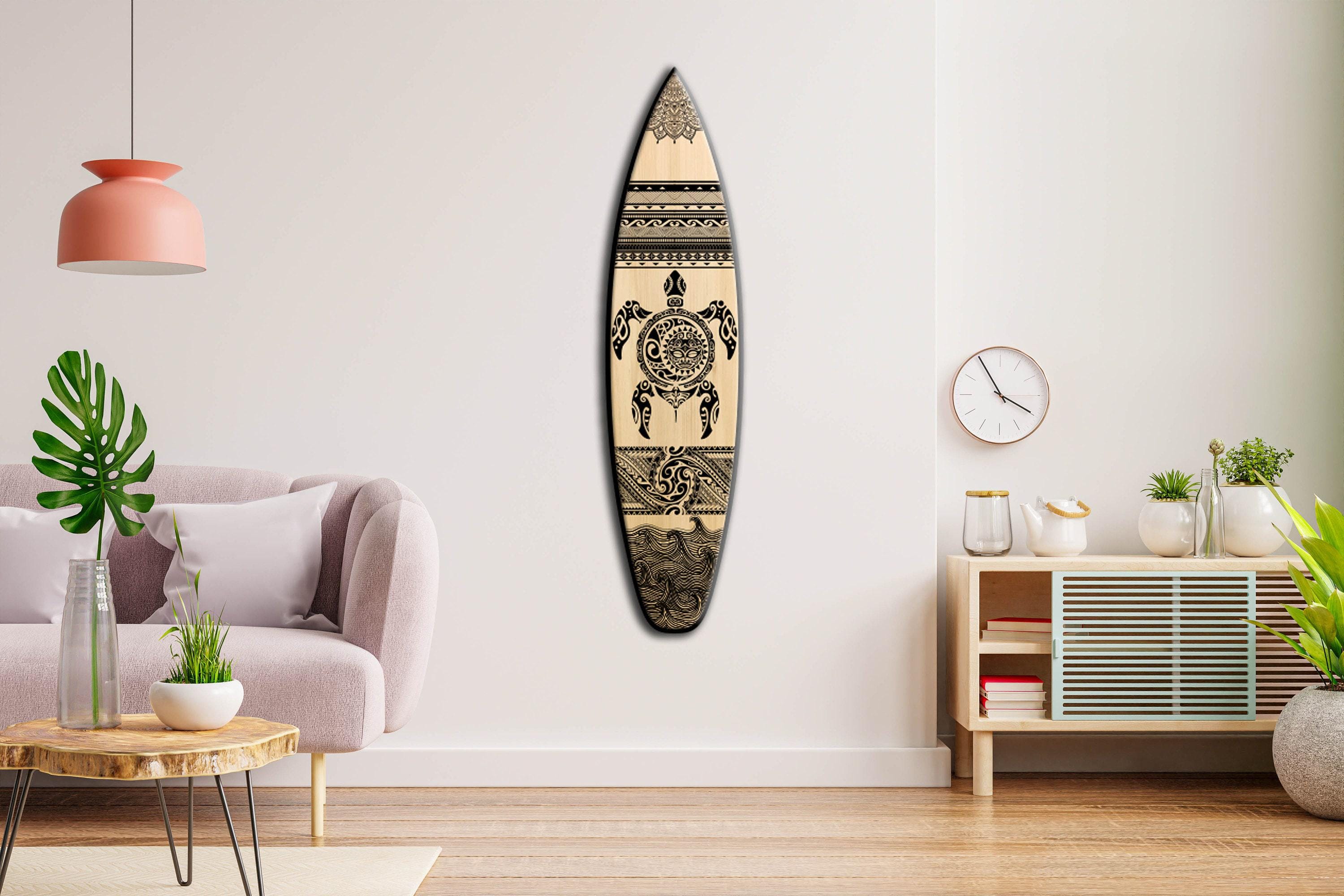
Finding Artists Who Understand Hospitality Design
Here's what most hotel owners miss: not every talented artist makes good hotel art. Gallery pieces follow different rules than hospitality decor.
Hotel art needs to be conversation-starting but not polarizing. It should photograph well under various lighting conditions. Most importantly, it needs to survive the reality of daily housekeeping without constant maintenance.
Direct Relationships Beat Galleries Every Time
We've supplied pieces to hotels that previously worked through traditional art galleries. The feedback is always the same: working directly with makers saves money and creates better outcomes.
When you source through a gallery, you're paying their markup plus losing the ability to customize. You get what's in stock, sized how they made it, finished how they chose.
Direct relationships with artists mean you can request specific dimensions for that awkward hallway. You can match existing color palettes. You can create a series that tells a cohesive story across multiple rooms.
I remember a designer from a beachfront property in San Diego calling about our wave art. She loved the style but needed pieces in three different sizes to create rhythm along a 40-foot corridor. A gallery would have said no or charged triple. We made it work within her budget because we controlled the entire process.
Questions to Ask Before Commissioning Custom Pieces
Every conversation with a new hotel client starts the same way. They tell me their budget and timeline. I stop them and ask different questions:
What story are you trying to tell? Who are your guests and what do they value? What Instagram moment do you want to create? How hands-on is your maintenance team?
These questions matter more than budget. I've turned down projects where the budget was generous but the vision was wrong. A boutique hotel trying to look like a corporate Marriott won't benefit from our reclaimed wood aesthetic, no matter how well we execute it.
Balancing Budget Constraints with Artistic Quality
Let's talk about money because everyone dances around this topic. You cannot fill a 20-room boutique hotel with museum-quality original art on a renovation budget. That's reality.
But you also can't build a memorable brand with print-on-demand canvases from overseas. There's a middle path most designers overlook.
The Anchor Piece Strategy
We recommend clients invest in 2-3 statement pieces for high-impact areas. Lobby, restaurant, Instagram corner. These are your hero pieces where you spend real money on original work.
For the Vampire Penguin Ellenton Florida location, we created a large-scale reclaimed wood wave installation that dominates their entrance. It's the first thing guests see and the background for most customer photos. This single piece does more marketing work than their entire social media budget.
Then we filled secondary spaces with smaller coordinated pieces at lower price points. Same aesthetic, same materials, but simpler designs that cost less to produce.
Guest rooms got the most budget-friendly approach: limited edition prints of our original work, mounted on reclaimed wood backing. Looks custom, feels authentic, costs a fraction of individual originals.
Material Choices That Look Expensive Without Breaking Budget
Not all materials cost the same or age the same. I work primarily with reclaimed wood because it tells a story and gets better with age. A small ding from a housekeeping cart adds character instead of requiring replacement.
Marine-grade plywood serves us well for larger installations. It's stable, weather-resistant, and takes finish beautifully. Hotels near water especially appreciate how it handles humidity without warping.
Clients often ask about metal art. It photographs well and feels upscale. But it's heavy, expensive to ship, and shows every fingerprint. For hospitality environments, I usually steer them toward wood.
Creating Cohesive Visual Stories Across Properties
The hotels I admire most don't just buy individual pieces. They think in collections and narratives.
A coastal boutique hotel in Florida should feel completely different from a desert property in Arizona. But if you're sourcing from the same generic suppliers, they'll end up looking identical.
Regional Authenticity Matters More Than Style Consistency
I see designers obsess over matching everything to their brand guidelines. Same color palette, same frame style, same level of abstraction. Then they wonder why their hotel feels soulless.
Your guests want to feel like they're somewhere specific. A hotel in Maine should celebrate its maritime heritage. A property in New Mexico should embrace southwestern aesthetics. This sounds obvious, but I constantly see coastal hotels with desert art and mountain lodges decorated with tropical themes.
We make ocean-themed work, so our ideal clients have some connection to water. But even within that niche, a piece for a Pacific Northwest lodge looks nothing like what we'd create for a Florida beach hotel.
The wood tells you where you are. Driftwood from Oregon beaches is silver and smooth. Reclaimed dock wood from the Gulf Coast is darker and weathered differently. These details matter to guests who pay attention.
Working With Artisans on Custom Installations
The most successful hotel art projects I've completed all share one thing: the client treated us like partners, not vendors.
They shared their vision early. They asked what was possible before deciding what they wanted. They built our production timeline into their renovation schedule instead of making art an afterthought.
Production Lead Times and Installation Planning
Here's something that surprises designers new to custom work: good artisans are usually booked months out. If you want something truly custom, expect 6-12 weeks minimum from concept to installation.
We require 8 weeks for standard custom work. Larger installations need 12-16 weeks. This isn't inefficiency. It's the reality of handcrafted production, proper drying time for finishes, and quality control.
I've had desperate hotel owners call two weeks before their grand opening. They spent six months on construction but forgot about art until the photographer was booked. We can't help them. Neither can any other legitimate custom artisan.
Plan your art sourcing at the same time you're selecting tile and furniture. Your walls won't be ready immediately anyway.
Maintenance Considerations for High-Traffic Spaces
Boutique hotels aren't museums. People touch things. Housekeeping bumps walls with vacuum cleaners. Guests move furniture and occasionally knock pieces askew.
Everything we make gets finished to withstand this reality. Multiple coats of marine-grade sealant. Secure mounting systems that a guest can't accidentally dislodge. Designs that look intentional even if they're slightly off-level.
I always ask about housekeeping procedures. Do they use harsh chemicals? How often do they dust? What's their protocol if something gets damaged? These details influence our material choices and finish recommendations.
The Vampire Penguin Ellenton Florida Case Study
When Vampire Penguin approached us, they had a clear challenge. Their brand identity is playful and slightly quirky. But their Ellenton location sits in a coastal Florida community where ocean themes dominate.
They needed art that felt beachy without being typical. Something that connected to their location while maintaining their brand personality.
We created a series of wave pieces using reclaimed wood with unexpected color treatments. Not the standard blue and white coastal palette, but deeper teals and purples that echoed their brand colors. The texture and material said "beach." The execution said "we're not your typical ice cream shop."
The results showed up in their customer behavior. People started taking photos specifically with our installation in the background. Their Instagram engagement increased without changing their posting strategy. The art gave them a distinctive visual identity that translated directly to social sharing.
This is exactly what hotel art should do. It shouldn't just fill space or match the sofa. It should create the moments your guests remember and share.
Sourcing Strategies That Actually Work
After working with dozens of hotel designers, I've noticed patterns in who succeeds at art sourcing and who struggles.
The designers who build memorable properties start with clear answers to three questions: What emotion do you want guests to feel? What story connects your location to your brand? What Instagram moment will guests create naturally?
Answer these first. Then find artists whose work triggers those responses.
Building Your Artisan Network Before You Need It
Smart designers don't wait until they have a project to find artists. They attend maker markets. They follow artisan studios on social media. They visit working studios when traveling.
When a project comes along, they already know who to call. They understand different makers' styles, production capabilities, and price ranges. Sourcing becomes curation instead of desperate searching.
I recommend keeping a simple database. Artisan name, specialty, approximate pricing, lead time, contact info. When a client needs coastal art, you already know three options. When they need desert themes, you have different contacts ready.
This network becomes your competitive advantage. Any designer can buy from wholesalers. Not everyone has relationships with artisans who can create exactly what a specific project needs.
Long-Term Relationships Beat One-Time Purchases
The hotels we love working with most don't just buy pieces for their initial opening. They come back.
When they open a second location, we already understand their aesthetic. When they refresh their lobby three years later, we know exactly what will work. When they need a damaged piece repaired or replaced, we have records of the original specifications.
These ongoing relationships make projects easier for everyone. We offer better pricing because we're not quoting from scratch. They get faster turnaround because we prioritize repeat clients. The work gets better because we understand their brand more deeply each time.
If you're sourcing art for a boutique hotel, think beyond your immediate needs. You're not just decorating this property. You're potentially building a signature aesthetic that could define your brand across multiple locations.
Choose artisans you'd want to work with again. Build relationships, not just purchase orders.
---
Sourcing distinctive art for boutique hotels isn't complicated, but it requires intention. Start earlier than you think necessary. Build relationships with makers who understand hospitality design. Think in stories instead of matching color swatches.
Your walls are prime real estate. Fill them with pieces that give your guests something to photograph, remember, and talk about.
We create ocean-themed installations from reclaimed wood for hotels and restaurants across the US. If you're designing a coastal property or want to bring that aesthetic to an unexpected location, let's talk about what's possible.
Contact us at contact@handycor.store to discuss your next project.Explore Related Craftsman & Design Guides:
- How to Style a Surf-Themed Restaurant: Designer Guide — real workshop advice on hero pieces, commercial lighting, and coastal credibility.
- Ocean Creature Lighting for Restaurants: Why It Works — how sculptural marine fixtures transform dining atmospheres and drive guest engagement.
Bring the Spirit of the Ocean to Your Home
Handcrafted from solid timber and marine-grade materials, our surfboard shower panels, oceanic sea creature chandeliers, and coastal mirrors bring authentic beach lifestyle and luxury craftsmanship into your interior or outdoor living space.